What is Salad Dressing: Comprehensive Guide for Salad Lovers
Imagine the scene: a table set with a vibrant array of fresh greens, juicy tomatoes, crisp cucumbers, and colorful bell peppers.
But something is missing—a drizzle of zesty dressing to tie it all together, transforming an ordinary bowl of veggies into a delightful culinary experience.
Salad dressing isn’t just a simple condiment; it’s the unsung hero of the salad world, capable of turning mundane into magnificent.
In this article, we’ll explore the fascinating world of salad dressings, uncovering their ingredients, flavors, and the crucial role they play in our diets.
Let’s dive in and discover why the right dressing can make all the difference.
What are Salad Dressings?
Salad dressings are liquid or semi-liquid sauces that add flavor, moisture, and texture to salads. They serve as a bridge, uniting disparate ingredients into a cohesive and tasty dish. Imagine trying to enjoy a salad without dressing; it would be akin to eating a sandwich without any condiments—dry, bland, and unexciting.
Why Salad Dressings Matter?
- Flavor Enhancer: Dressings amplify the flavors of salad ingredients, making them more appealing and enjoyable.
- Nutritional Aid: They help in absorbing fat-soluble vitamins such as A, D, E, and K found in vegetables.
Textural Contrast: Dressings can add a creamy or tangy texture, balancing the crunch of raw veggies.
Understanding Salad Dressings
Basic Ingredients
At their core, most salad dressings consist of a few essential ingredients:
- Oil: The foundation of many dressings, oil provides a smooth texture and richness. Olive oil is a popular choice for its health benefits and flavor, but there are plenty of other options like sesame or walnut oil that offer unique tastes.
- Vinegar: The tangy counterpart to oil, vinegar adds acidity and brightness. Balsamic, apple cider, and red wine vinegars are favorites, each imparting distinct flavors.
- Herbs and Spices: These add depth and complexity. Fresh herbs like basil and dill, along with spices such as garlic and pepper, can elevate a dressing’s profile.
- Emulsifiers: Ingredients like mustard or honey help blend oil and vinegar into a uniform mixture, preventing separation.
Each ingredient plays a specific role in creating a harmonious dressing that tantalizes the taste buds while enhancing the salad’s natural flavors.
Types of Salad Dressings
Salad dressings come in various forms, each offering a unique experience:
Vinaigrettes
Simple yet versatile, vinaigrettes are typically a mix of oil and vinegar with added herbs and spices.
- Examples: Classic balsamic vinaigrette, citrus vinaigrette, and red wine vinaigrette.
Creamy Dressings
These dressings use bases like mayonnaise, yogurt, or buttermilk, providing a luscious, rich texture.
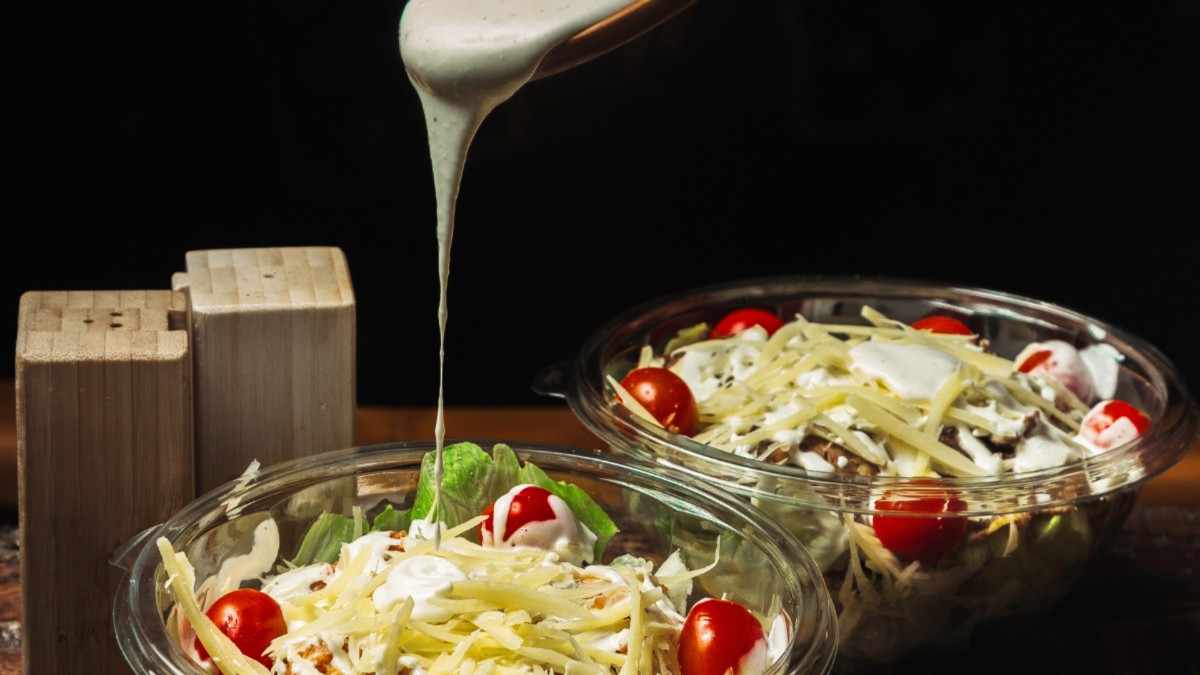
- Examples: Ranch, blue cheese, and Caesar dressing.
Creamy-Vinaigrette
A delightful fusion that combines the tanginess of vinaigrettes with the creaminess of dairy or emulsifiers.
Examples: Honey mustard, creamy Italian, and avocado-lime dressing.
The Science Behind Flavor
Understanding the science of taste can transform the way we experience food. Our taste buds can detect sweet, sour, salty, bitter, and umami flavors, and salad dressings often incorporate a few of these to achieve a balanced taste.
- Acidity: Vinegar or citrus juices add sharpness and brightness, which can cut through the richness of oil or cream.
- Fat: Found in oils and creams, fats provide a smooth mouthfeel and help flavors linger on the palate.
- Sweetness: A hint of sweetness from honey or sugar can balance acidity and bitterness, creating a harmonious blend.
The interplay of these flavors can elevate a salad, making it not just a side dish but a star in its own right.
Health Benefits of Salads
Weight Management
Salads are typically low in calories and high in volume, making them an excellent choice for weight management:
- Fiber-Rich: Vegetables are high in fiber, which can help you feel full longer and reduce overall calorie intake.
- Low-Energy Density: Salads are often composed of low-energy-dense foods, meaning you can eat a larger volume without consuming many calories.
Heart Health
Including salads in your diet can support heart health in several ways:
- Healthy Fats: Ingredients like avocados, nuts, and olive oil provide monounsaturated fats, which can improve cholesterol levels and reduce the risk of heart disease.
- Antioxidants: Leafy greens and colorful vegetables are rich in antioxidants that protect against oxidative stress, a contributor to heart disease.
Digestion
The high fiber content in salads can promote healthy digestion:
- Regular Bowel Movements: Fiber helps to keep the digestive system moving smoothly, reducing constipation.
- Gut Health: A diverse array of plant foods can support a healthy gut microbiome, which is crucial for overall digestion and health.
Overall Well-being
Salads can contribute to general health and vitality:
- Vitamins and Minerals: Vegetables are packed with essential nutrients, including vitamins C, K, and folate, which support various bodily functions.
Hydration: Many salad components, such as cucumbers and lettuce, have high water content, aiding in hydration.
The Salad Dressing Dilemma
Salad dressings can be a double-edged sword—while they can elevate a salad’s nutritional value, they can also diminish it if you’re not careful. Here’s why:
Enhancing Nutritional Value
The right salad dressing can transform a simple salad into a nutrient-dense meal:
- Nutrient Absorption: Dressings containing healthy fats, such as those with olive oil or nuts, can enhance the absorption of fat-soluble vitamins (A, D, E, and K) present in the vegetables.
- Flavor Boost: By adding complex flavors through herbs and spices, dressings can make salads more appealing, encouraging you to consume more nutrient-rich veggies.
Potential Pitfalls
Many commercially available dressings can negate the health benefits of salads due to their unhealthy ingredients:
- High-Calorie Content: Many creamy or thick dressings are high in calories and can turn a low-calorie salad into a high-calorie dish.
- Excessive Sugar and Salt: Added sugars and high sodium levels can contribute to health issues such as obesity, diabetes, and high blood pressure.
- Unhealthy Fats: Some dressings contain trans fats or excessive saturated fats, which can negatively impact heart health.
Balancing Act
To avoid these pitfalls, it’s crucial to balance the benefits and downsides. Use dressings sparingly, focus on healthier options, and consider making your own for better control over the ingredients.
Choosing the Right Salad Dressing
Choosing the right salad dressing is pivotal not only for enhancing flavor but also for aligning with your dietary preferences and health goals. Here are some key considerations to help you make informed choices:
Health Considerations
When selecting a salad dressing, it’s essential to consider your individual health needs and dietary restrictions. Here’s a breakdown:
- Dietary Restrictions:
- Vegan and Vegetarian: Choose dressings made with plant-based ingredients. Avoid those with animal-derived components like eggs or anchovies, often found in Caesar dressing.
- Gluten-Free: Look for dressings specifically labeled as gluten-free to avoid potential cross-contamination with wheat-based thickeners.
- Health Conditions:
- Diabetes: Opt for dressings with little to no added sugar. Vinegar-based vinaigrettes can be a good choice as they tend to have lower sugar content.
- High Blood Pressure: Select low-sodium dressings. Excess salt in your diet can elevate blood pressure, so opt for varieties with herbs and spices for flavor instead of salt.
- Heart Disease: Focus on dressings rich in healthy fats, such as those made with olive oil or avocado, which can help improve cholesterol levels.
- Calorie and Fat Content: Be mindful of the calorie and fat content, especially if you’re watching your weight. Creamy dressings can be calorie-dense, so use them sparingly or opt for lighter vinaigrettes.
Reading Labels
Deciphering nutrition labels can be daunting, but understanding what to look for can significantly impact your health:
- Ingredients List: Aim for dressings with short, recognizable ingredient lists. Avoid products with artificial additives, preservatives, or high-fructose corn syrup.
- Serving Size: Pay close attention to serving size. Many labels list nutrition facts for a small serving (such as two tablespoons), which can be easy to exceed.
- Nutritional Information: Check for unhealthy fats (like trans fats) and high sugar content. Also, look for fiber, which can add a satiety factor to your salad.
Homemade vs. Store-Bought
Choosing between homemade and store-bought salad dressings involves weighing convenience against control:
Homemade Dressings
Making your own dressing allows you to tailor flavors and ingredients to your taste and dietary needs:
- Pros:
- Ingredient Control: You decide what goes into your dressing, avoiding preservatives and artificial additives.
- Flavor Customization: Experiment with different herbs, spices, and oils to create a unique dressing tailored to your taste.
- Freshness: Homemade dressings can be fresher, enhancing the flavor of your salad.
- Cons:
- Time-Consuming: Making dressing from scratch requires time and effort, which might not be feasible for everyone.
- Shorter Shelf Life: Without preservatives, homemade dressings need to be consumed relatively quickly.
Store-Bought Dressings
Store-bought dressings offer convenience but often come with trade-offs:
- Pros:
- Convenience: Ready to use and available in a wide variety of flavors and types.
- Longer Shelf Life: Can be stored for longer periods due to preservatives.
- Cons:
- Less Control: Ingredients may include unhealthy additives or unnecessary sugars and fats.
- Hidden Ingredients: Often contain stabilizers, emulsifiers, and artificial flavors.
Tips for Homemade Dressings
To make delicious and healthy dressings at home, keep these tips in mind:
- Use high-quality oils and vinegars for the best flavor.
- Balance acidity and sweetness to complement the salad ingredients.
- Incorporate fresh herbs and spices to enhance taste without added calories.
Debunking Salad Dressing Myths
Let’s dispel some common misconceptions about salad dressings:
Myth 1: All Salad Dressings are Healthy
While many dressings contain healthy ingredients, not all are beneficial. Some contain high levels of sugar, salt, and unhealthy fats. Always check labels and ingredients or make your own for healthier options.
Myth 2: Low-Fat Dressings are Always Better
Low-fat dressings often compensate for lack of flavor by adding sugars and artificial flavors. Healthy fats are crucial for nutrient absorption, so opt for dressings with natural, healthy fats instead.
Myth 3: Homemade Dressings are Always Healthier
Homemade dressings can be healthier, but it’s essential to use quality ingredients and measure portions. Some homemade recipes can be just as high in calories if not portioned correctly.
Myth 4: Salad Dressings Cause Weight Gain
Dressings alone don’t cause weight gain; it’s excessive consumption and poor choices that do. Using dressings mindfully and in moderation can enhance your salad’s nutrition without adding unnecessary calories.
Myth 5: All Creamy Dressings are Unhealthy
Not all creamy dressings are unhealthy. Those made with Greek yogurt or avocado can be nutritious and provide healthy fats. The key is to choose recipes or products with wholesome ingredients.
Actionable Tips
Enhancing your salad experience is all about creativity and making informed choices. Here are some actionable tips to elevate your salad game:
Experiment with Flavors
Experimentation is key to discovering unique and delicious salad dressings. By mixing different oils, vinegars, and herbs, you can create a dressing that is perfectly tailored to your taste preferences. Here are some ideas to get you started:
- Oils: While olive oil is a classic choice, don’t hesitate to try other oils like walnut oil, which adds a nutty richness, or sesame oil for an Asian-inspired twist. Flavored oils, such as garlic-infused or chili-infused oils, can also add a new dimension to your dressings.
- Vinegars: Experiment with various vinegars to change the acidity and depth of flavor. Balsamic vinegar offers a sweet and tangy taste, while apple cider vinegar provides a mild fruity note. Try rice vinegar for a softer, more delicate acidity that pairs well with lighter salads.
- Herbs and Spices: Fresh herbs like basil, cilantro, dill, or parsley can significantly enhance your dressing. Spices like cumin, paprika, or turmeric can add warmth and complexity. Mix and match these elements to create a signature dressing that complements your salad ingredients.
- Additional Flavorings: Incorporate ingredients like minced garlic, shallots, or ginger for added pungency. Adding a touch of honey or maple syrup can balance the acidity with sweetness, while soy sauce or Worcestershire sauce can introduce an umami component.
Make Your Own
Creating your own salad dressing allows for customization and control over ingredients. Here’s a simple vinaigrette recipe, along with variations to inspire your creativity:
Basic Vinaigrette Recipe:
- Ingredients:
- 1/3 cup extra virgin olive oil
- 2 tablespoons balsamic vinegar
- 1 teaspoon Dijon mustard
- Salt and freshly ground black pepper to taste
- Instructions:
- In a small bowl or jar, combine the balsamic vinegar and Dijon mustard.
- Slowly whisk in the olive oil until the mixture is emulsified.
- Season with salt and pepper to taste.
- Adjust the balance of flavors to your liking, adding more vinegar for tanginess or more oil for a milder taste.
Variations:
- Lemon Herb Vinaigrette: Replace balsamic vinegar with fresh lemon juice and add chopped fresh herbs like thyme or basil.
- Honey Mustard Dressing: Add 1 tablespoon of honey to the basic vinaigrette for a sweeter dressing with a bit more depth.
- Asian Sesame Dressing: Use rice vinegar instead of balsamic and add 1 tablespoon of soy sauce and 1 teaspoon of toasted sesame oil.
Storage and Shelf Life
Proper storage of homemade dressings ensures freshness and prevents spoilage:
- Containers: Store dressings in airtight containers such as glass jars or bottles with a tight-fitting lid. This prevents exposure to air, which can degrade flavors and promote spoilage.
- Refrigeration: Most homemade dressings should be kept in the refrigerator to extend their shelf life, especially those containing fresh ingredients like herbs, garlic, or yogurt. Typically, homemade dressings last about one week when stored properly.
- Mixing Before Use: Oil and vinegar tend to separate during storage. Shake or whisk the dressing well before using to ensure the flavors are evenly distributed.
- Check for Freshness: Before using, always check for changes in color, texture, or smell, which can indicate spoilage. If in doubt, it’s safer to make a fresh batch.
Salad Dressing Hacks
These simple hacks can elevate your salad dressing to new heights:
- Brighten Flavors: Add a splash of citrus juice, such as lemon, lime, or orange, to brighten the flavors of your dressing. Citrus not only adds acidity but also enhances the aroma and complexity of the dressing.
- Creamy Texture without Calories: Use avocado or Greek yogurt to create a creamy dressing without excess calories or unhealthy fats. Avocado provides healthy fats and a smooth texture, while Greek yogurt adds protein and tanginess.
- Thicken with Nut Butters: Peanut butter, almond butter, or tahini can be used to thicken dressings while adding nutty richness. These can work particularly well in Asian or Middle Eastern-inspired dressings.
- Quick Fixes: If a dressing is too acidic, balance it with a pinch of sugar or honey. If it’s too oily, add more acid or a splash of water to dilute.
Flavor Infusion: Infuse oils with herbs or spices by gently heating them together and allowing them to cool. This can add a subtle but impactful depth to your dressings.
Conclusion
Salad dressings are more than just an afterthought; they’re integral to the salad experience, enhancing flavor and boosting nutrition. By choosing wisely and experimenting with homemade options, you can enjoy delicious, healthy salads that fit your lifestyle.Me & Salads: Your Salads Delivery Partner in Bangalore
Enjoy fresh, flavorful salads delivered to your doorstep with “Me & Salads” in Bangalore. Discover the joy of healthy eating today and transform your salad experience!