Does Salad Bloat Your Stomach?
Salads are often seen as a healthy, light, and refreshing meal option. They’re packed with vegetables, fruits, and other nutrient-rich ingredients that many people love.
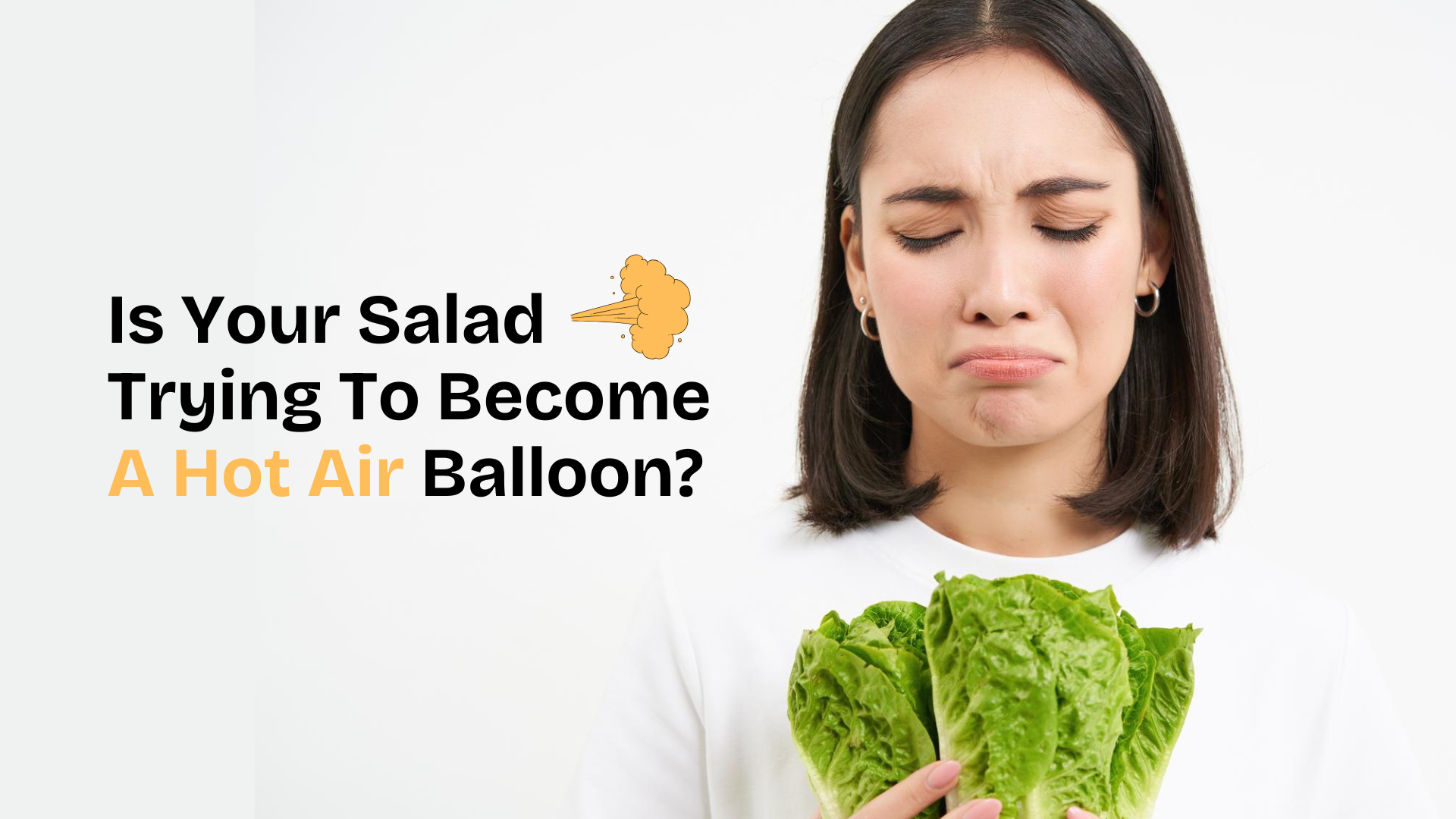
However, some people may feel bloated after eating a salad. If you’ve ever experienced this, you might wonder what’s causing it and how to prevent it. Don’t worry! You don’t have to give up your greens.
Let’s explore why salads may sometimes cause bloating and some simple tips to enjoy them without discomfort.
Why Does Salad Cause Bloating?
1. High Fiber Content
Salads are usually high in fiber, which is great for digestion and gut health. However, if your body isn’t used to eating a lot of fiber, it might struggle to digest it at first. This can lead to a feeling of fullness or bloating.
For example, vegetables like kale, broccoli, or bell peppers are loaded with fiber, which takes longer to break down in your stomach.
2. Raw Vegetables Are Harder to Digest
Raw vegetables, which are the main ingredient in most salads, can be harder for your stomach to process.
Since they aren’t cooked, they retain their tough, fibrous texture, requiring extra effort from your digestive system. For some, this can lead to gas and bloating.
3. Cruciferous Vegetables
If your salad contains cruciferous vegetables like broccoli, cauliflower, or cabbage, these could be the culprits. These veggies produce gas in the stomach because they contain complex carbohydrates that ferment in the gut, leading to bloating.
4. Overeating or Large Portions
Eating a large portion of salad might overwhelm your stomach, especially if it includes a mix of heavy ingredients like beans, grains, or even creamy dressings. Your body needs time to digest all these components, and eating too much at once could lead to discomfort.
5. Chewing Too Quickly
When you eat quickly, large pieces of food enter your stomach, making digestion slower and less efficient. This can result in gas and bloating because your body has to work harder to break down the food.
6. FODMAP Ingredients
Some salad ingredients, like onions, garlic, and certain beans, are rich in FODMAPs (fermentable oligosaccharides, disaccharides, monosaccharides, and polyols). These are types of carbohydrates that can ferment in the digestive system and lead to bloating, particularly in people with sensitive stomachs or Irritable Bowel Syndrome (IBS).
7. Dressings and Additives
Not all bloating is caused by vegetables! Some salad dressings might contain high amounts of salt, sugar, or preservatives that can cause water retention and bloating. Creamy or oily dressings can also leave you feeling heavy.
10 Tips to Reduce Bloating Caused by Salad
If you love salads but worry about bloating, don’t fret! Here are some practical tips to enjoy your greens without feeling uncomfortable:
1. Start Slowly with Fibres
If you’re new to eating salads, introduce fiber-rich vegetables gradually into your diet. Start with smaller portions and increase them over time. This allows your digestive system to adjust.
2. Cook Your Vegetables Lightly
Lightly steamed or sautéed vegetables are easier to digest than raw ones. If you find raw veggies too hard on your stomach, try adding cooked versions of spinach, carrots, or zucchini to your salad.
3. Choose Low-FODMAP Ingredients
If you have a sensitive stomach, opt for veggies that are gentle on digestion, such as spinach, cucumbers, or lettuce. Avoid high-FODMAP foods like onions, garlic, and beans if they cause you discomfort.
4. Chew Your Food Properly
Take your time to chew your salad well. Smaller food particles are easier for your stomach to digest, reducing the chance of gas and bloating.
5. Watch Your Portions
Avoid overloading your plate with too many ingredients. A smaller, balanced salad is more likely to leave you feeling satisfied without bloating.
6. Use Simple Dressings
Cut back on creamy, heavy dressings. Instead, use light options like lemon juice, olive oil, or natural yogurt to flavor your salad.
7. Add Digestive-Friendly Ingredients
Include elements that aid digestion, like ginger, fennel seeds, or mint leaves, to ease any potential discomfort. These natural remedies can help calm your stomach.
8. Drink Enough Water
Fiber absorbs water, so staying hydrated is essential to prevent your salad from causing constipation or bloating.
9. Eat Smaller Meals More Often
Instead of a single large portion, have smaller salads throughout the day. This prevents your digestive system from feeling overwhelmed.
10. Limit Cruciferous Veggies
If broccoli or cauliflower makes you feel bloated, limit their quantity or replace them with gut-friendly options like zucchini or bell peppers.
Final Thoughts
Salads are a powerhouse of nutrition, offering vitamins, minerals, and fiber your body needs. While they may cause bloating for some people, it’s often due to specific ingredients or eating habits. By making small changes, such as adjusting portion sizes, cooking your vegetables, or picking low-FODMAP options, you can enjoy your greens without the discomfort.
Remember, every body is different. Take note of how certain foods affect you and adjust your salads accordingly. With these tips, you can enjoy a bowl of fresh goodness while keeping your tummy happy and healthy. Happy munching!
Ready to take your fitness journey to the next level? Contact Me & Salads for expertly crafted diet meals and salads that are designed to support your health goals.
Our salads are prepared with the freshest ingredients and tailored to help you achieve your weight loss ambitions. Reach out today for more information or to place an order, and discover how our professionally prepared meals can make a difference in your diet!